 Call Us : 08045816137



Showroom
(6)
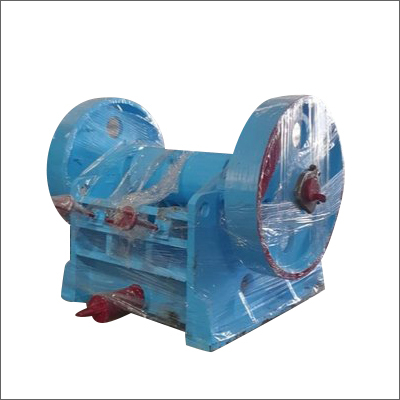
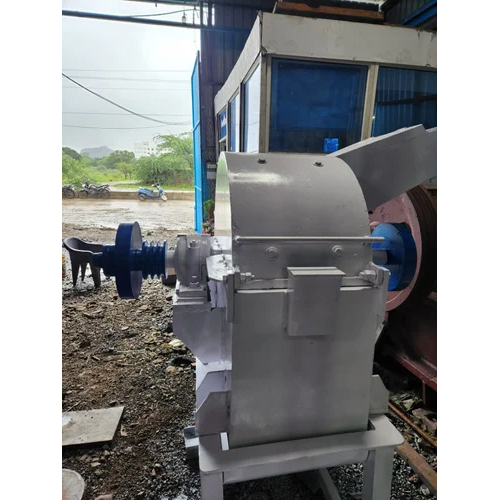
Raw materials for building projects can be efficiently and effectively crushed by our Sand And Stone Crusher machines in construction as well as industrial trade industries. These sturdy machines make use of strong crushers which help in converting big rocks and gravels into small particles for the production of concrete, asphalt, and other construction materials.
(13)
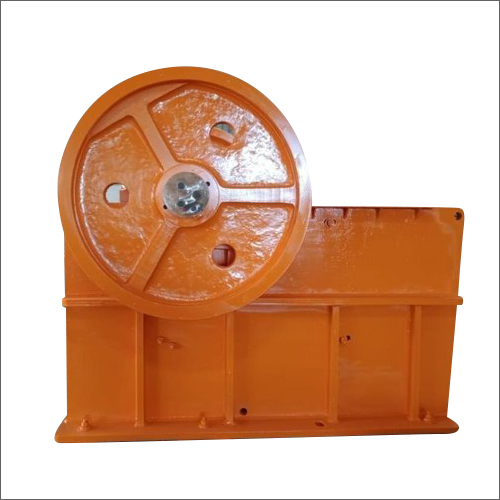
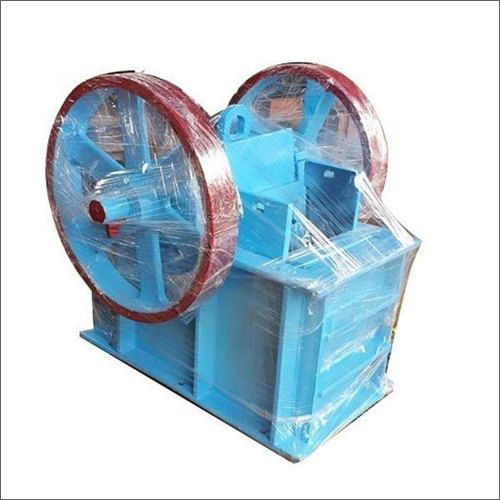
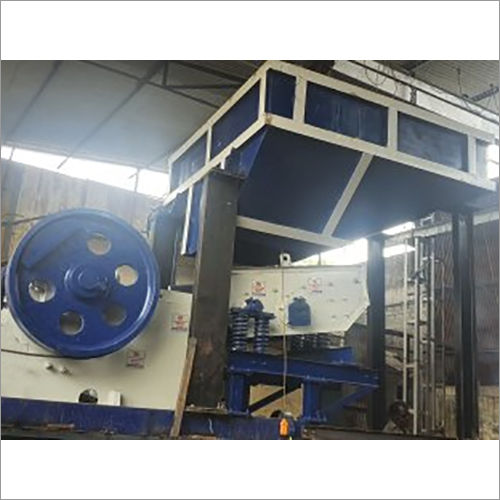
Indore Stone Crusher is a top-ranking that deals in manufacturing Jaw Crusher machines which are well known for strong structures and great efficiency. These machines perform well in crushing different materials such as hard granite and abrasive ores, making them ideal in the mining industry as well as construction.
(11)
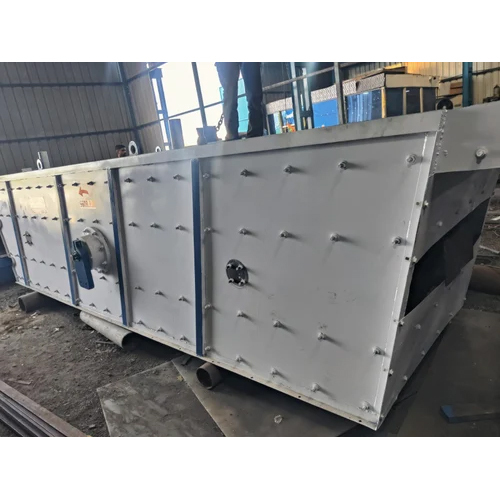
Vibrating Screen tables play critical roles in material classifications and separation procedures. These versatile devices include a strong frame constructing which is usually the mesh or perforated surface that vibrate effectively for sorting out particles by their size and composition specific to various industries like mining, among others.
(9)
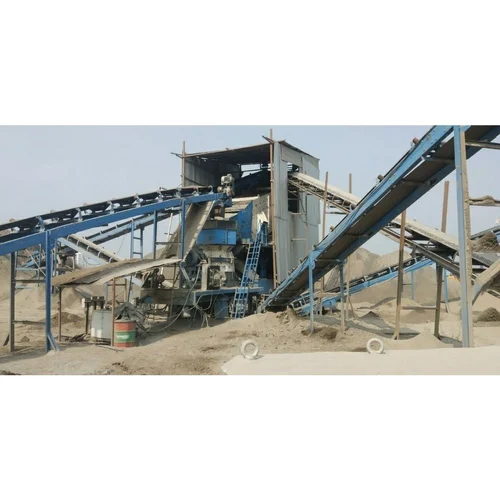
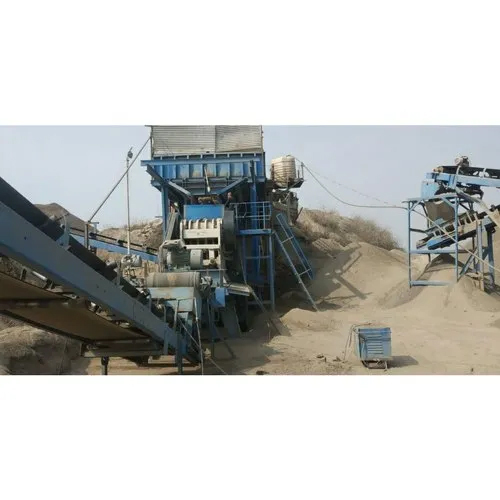
Stone Crusher Plant systems are heavy duty installations and they generate aggregates from raw materials in different sizes for uses of construction. These plants have crushers, screens, conveyors and other mechanisms to process rocks into useful substances.

(5)
Grizzly Feeder units are crucial in mining and quarrying applications that help to effectively deal with massive sized coarse materials. These large capacity vibrating feeders have a robust, easily adjustable grizzly bar area that filters fines from the main feed to guarantee maximum processing productivity.
(1)
Mobile Impact Crusher machines are moveable crushing solutions designed for flexibility and effectiveness in different sectors. These small machines have state of the art technology that processes much different materials from debris acquired in construction to natural rocks.
(1)
Mobile Concrete Batching Plant systems are innovative and efficient designs for concrete production on site. Being fitted with modern technology, they guarantee proper mixing and fast production of concrete for construction ventures while also being mobile and dependable means to produce the premix at a range of different sites.

(13)
(3)



Address
INDORE STONE CRUSHER
GST : 23BAOPN8726K1Z5
GST : 23BAOPN8726K1Z5
- factory No. S-5, Sector D, Scheme No. 169B, Bardari,Indore - 453555, Madhya Pradesh, India
- Phone :08045816137
-
 Send Inquiry
 Send Inquiry
 Send Inquiry
 Send SMS
 |
INDORE STONE CRUSHER
All Rights Reserved.(Terms of Use) Developed and Managed by Infocom Network Private Limited. |


